Transitions

Experience 1:
Over the fall and spring semesters of 2022 and 2023, I spent at least an hour a week at Transitions. Whether it was a fun, educational, or skill-based meeting, Transitions taught me invaluable lessons about navigating college.
As one of my key extracurriculars, Transitions had a unique way of making me want to be there. At times, I prioritized it over school, but I did so with good reason. Being involved with the center provided meaningful experiences. I made many valuable connections that I still maintain to this day. Looking back, I wish I hadn’t been as deeply involved so I could have dedicated even more time to the center. However, I now use my positions to strike a balance and enjoy the best of both worlds.
I never considered myself a shy or introverted person. During my senior year of high school, I spoke at graduation in front of 2,000 people—an act that requires a degree of extroversion. While I wasn’t shy, I did have some difficulty socializing with people outside of my comfort zone. This honors experience became my second introduction to the University of Cincinnati, the first being the Dr. Edward N. Prather Summer Bridge Program.
One of the most significant ways Transitions impacted me was by pushing me out of my comfort zone. Before joining the program, I was content staying in my bubble and avoiding engaging with others. However, Transitions encouraged me to take risks and put myself out there through various activities and challenges.
On the first day, everyone participated in a rope bridge activity. The task required all 150 of us to pass through a rope spider-web structure about five feet off the ground. Nobody could go under the structure, and touching the ropes was prohibited. This was a challenging moment for me because I wanted to step up as a leader but felt I didn’t have a reason to. There were others who were more willing to take charge of a room full of strangers. While I didn’t lead the group, I helped over 25 people get across, using the challenge as an opportunity to find my place within the group.
Everyone was in the same boat—looking to make new connections. I initially assumed people would come in groups with their friends from high school, and while some did, there was an openness to inviting others into their circles.
The biggest takeaway I gained from Transitions was realizing that we are all people who want to belong. I am no dancer, but I say this because of the unity dance our cohort performed together. The synchronized dance required everyone to move as one, and any misstep was immediately noticeable. This dance became our cohort’s unity dance, and we performed it in front of many established Black professionals. I can proudly say I put my best foot forward.
Transitions, overall, was an experience I wouldn’t trade for the world. I only wish more people had the chance to participate in something so transformative.
Protégé Research
Experience 2 and 3
Protégé was a 15-week intensive program designed for high-performing engineers who demonstrated a strong interest in research. This experience provided me with a solid foundation in organic chemistry and allowed me to work independently while exploring innovative approaches to current challenges. I contributed to the testing of over 70 samples and compiled data that is set to be published in a scientific journal.
One of the most fascinating aspects of research was grappling with the concept of expected outcomes. I often found myself trying new approaches and then working backward to understand why these methods produced the results they did. This process required a combination of insights from previous studies and a reliance on intuition. It felt unconventional compared to the standard way things are explained, but it was incredibly rewarding.
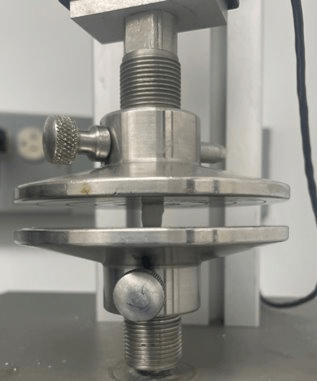
My work focused on formulating a polymer that could serve as a temporary replacement for bone in critical-size defect surgeries. I spent time synthesizing the polymer from precursor components and testing it under compressive forces. The material’s performance was assessed by determining the point at which it could no longer withstand stress.
This experience significantly reinforced my aspirations in medicine. Being part of a team dedicated to solving orthopedic surgical complications taught me resilience and adaptability. I learned early on that not everything works perfectly the first time.
In my first week, I conducted an Elman’s assay, a procedure used to quantify sample results by tinting the sample and measuring the absorbance wavelengths after 10 minutes. However, I needed to shorten the reaction time slightly, and when I got the timing wrong, the absorbance values were completely off. This “welcome to research” moment was humbling. While it initially felt like a waste of materials and effort, I realized it wasn’t a failure but a learning opportunity. I discovered that research often yields no immediate results, but every outcome, even negative ones, has value.
This realization shaped my perspective over the 15 weeks. Through trial and error, I refined my methods and was eventually able to replicate the consistency required for the material. This iterative process showed me early on that the project was going to be tough and would demand significant effort.
The next phase of this research involves moving into animal trials and conducting tests on these models.
Travel Writing & Iceland Study Tour

Full detail coming soon
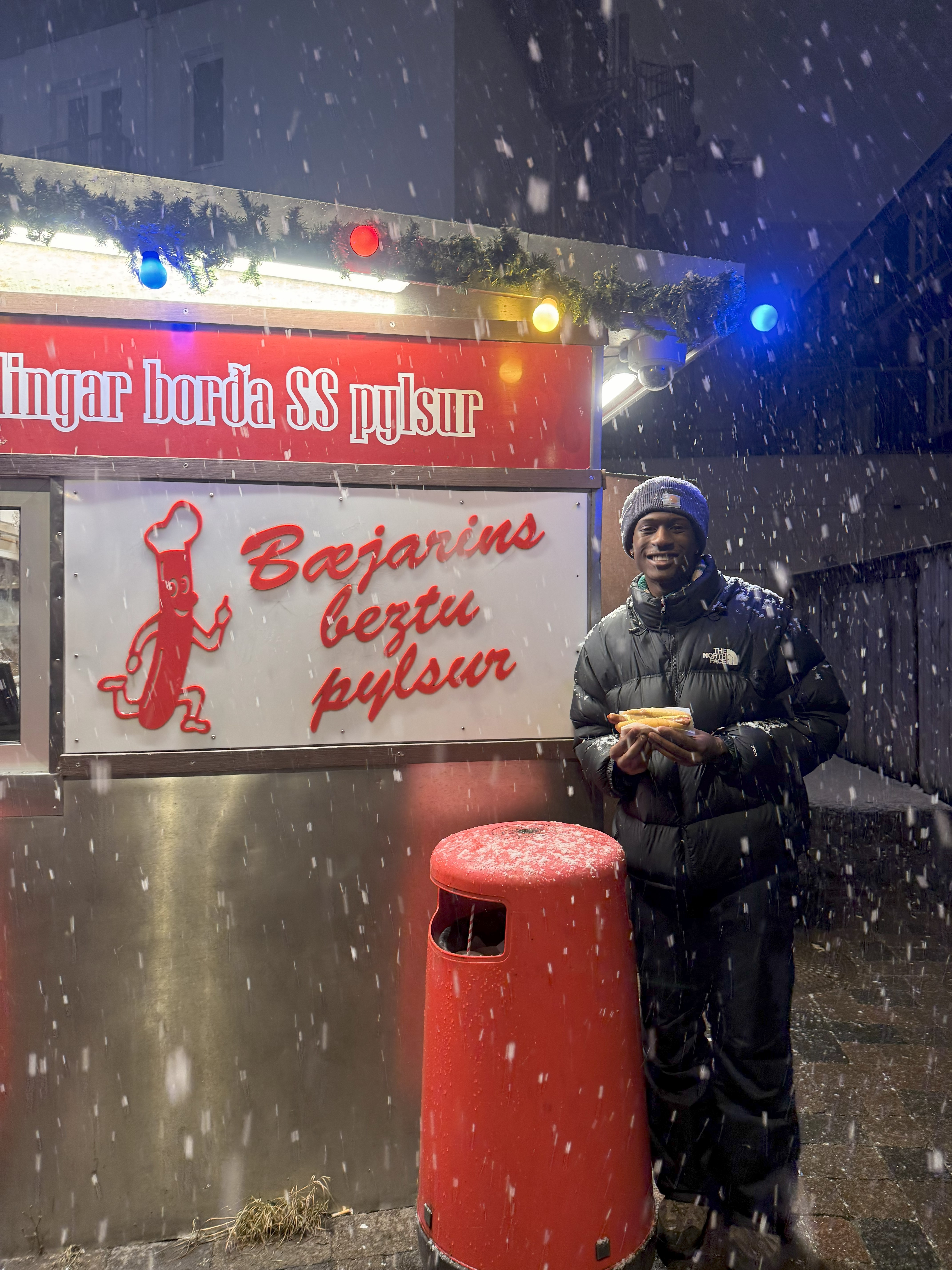
Journalism Honors Seminar: Travel Writing in Iceland was my fourth honors experience. Taking this travel writing class challenged me in ways I hadn’t anticipated. I was a student from an engineering background. My writing skills were rusty. Starting out the semester, my first piece a struggle. My initial experience forced me to take the class more and commit to improving my writing. Through one-on-one sessions with my professor and grammar resources, I learned how to write with continuity and develop my storytelling ability. My favorite piece, about Bæjarins Beztu Pylsur in Reykjavik. It stood out because it deepened my understanding of Icelandic culture and reinforced my role as a global citizen scholar. Through the class I had the opportunity to analyze travel writing pieces. I was able to pick apart pieces that I enjoyed and incorporate it into my writing. I was experiencing an unfamiliar culture firsthand reminded me of the resilience of historically oppressed nations, drawing a personal connection to my own African heritage.
Beyond writing, this class had a surprising impact on my professional growth. Strengthening my storytelling skills and attention to detail made me a better communicator during my co-op. While my technical mindset didn’t directly influence my writing, the discipline and structure I’ve developed as an engineer helped me refine my approach. This course pushed me out of my comfort zone, and although I didn’t notice drastic improvements in my process, I became more intentional with my words. Travel writing is more than just documenting a place—it’s about capturing experiences that connect people across cultures. That lesson will stay with me long after this class.
 AJ Addison